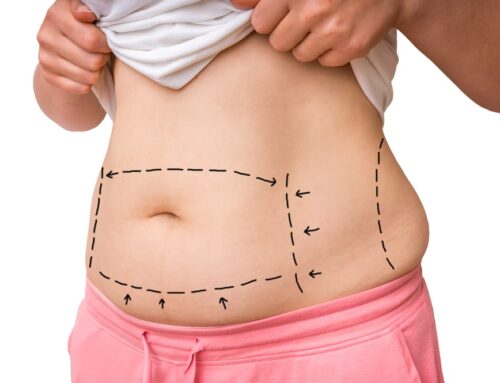
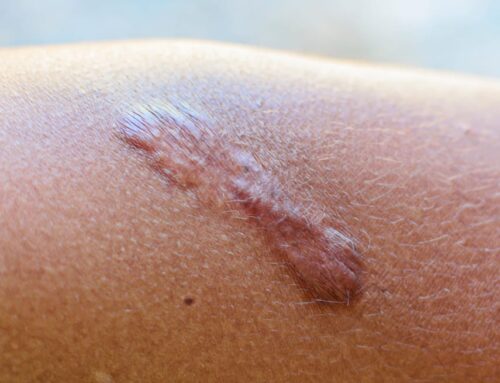
It might not be the first thing you think of after your hip replacement surgery, but it is important: the scar. After a hip replacement, it is common to have a sizeable scar. This scar can become very noticeable and can cause symptoms. Learn what you can do to prevent abnormal scarring and to treat your scar.
Immediate recovery after hip replacement surgery
Immediately after the surgery, you focus on recovery. You usually leave the hospital as soon as possible. The wound also takes a while to heal. But after a few weeks, when the wound has fully healed, the location of the wound can cause symptoms. At this healing stage, it is a scar that can develop into an abnormal scar (hypertrophic or keloid scar).
Scar after anterior hip replacement
The type of hip replacement you get, influences your scar. With an anterior hip replacement, the incision is made on the front of the body. From the hip to the groin, this way, the resulting scar will be in line with skin folds. This is beneficial for scar healing.
Other benefits from this variant of hip replacement is a faster recovery. Many people often walk sooner after an anterior hip replacement. This is due to the position of the muscles and incision. With an anterior hip replacement scar, it is good to look out for clothing rubbing on it.
Scar after posterior hip replacement
After a posterior hip replacement, your scar will be large and on your buttock/thigh. The incision is made on the side of your body and has to be quite large. With this surgery, the muscles in your buttock and thigh are also affected. This makes recovery, such as walking, take longer.
The location of the incision, the buttocks, are a low-risk area for abnormal scarring. However, the cause of the wound and scar, surgery, does give a significant risk for abnormal scarring.
What does a hip replacement scar look like?
There are several factors that influence the way your scar looks. These factors include:
These factors can also contribute to development of abnormal scarring. The type of hip replacement surgery influences the location of the scar. The scar goes through several healing stages during which its look can change.

Hip replacement scar healing stages
After stitches have been removed and the wound has closed, you have a scar. In the first weeks it is quite red. After about 6 weeks, it can start to develop into an abnormal scar. Alternatively, it can heal and fade away to a slightly lighter or darker line flush with the surrounding skin. This process can take up to 1,5-2 years.
If your scar becomes raised, itchy or painful, then you have an abnormal scar and must take action.
Abnormal scarring after hip replacement surgery
While recovering your mobility will be your top priority, taking care of the wound and resulting scar is just as important. With good wound care and preventive scar treatment, it is possible to prevent abnormal scarring.
After your hip replacement surgery, or any surgery, scar prevention is important. This is because after every surgical incision, there is a 50% chance that a hypertrophic scar will develop. The scar becomes raised, red, itchy and painful. This type of scar does not heal on its own, treatment is necessary.
Scar treatment after hip replacement
Scar treatment can be used to actively treat an abnormal scar, but it can also be used to prevent abnormal scarring. So, how can you best treat your hip replacement scar?
Use a silicone sheet to prevent excessive moisture loss, which is the main cause of scar formation. A silicone sheet is also ideal to wear under clothes. A silicone gel will be absorbed or rubbed off by clothing. Using a scar cream, such as ALHYDRAN, before applying the silicone sheet improves treatment.
Scarban silicone sheets are ideal to treat your scar after hip replacement. A Scarban Light sheet is perfect for use after both posterior and anterior hip replacement. Its flexibility and low profile make it ideal for skin folds and joints. This way, you do not have to worry when moving around during your recovery. It also protects the scar from rubbing against clothes.