Have you recently had a breast lift, or are you considering the procedure? Many women feel more confident after breast lift surgery because of the improved shape and position of the breasts. However, scarring can sometimes affect satisfaction with the final result. While the shape and volume may look exactly as desired, visible scars can still cause concern.
The good news is that breast lift scars can be treated effectively with the right aftercare.
Why women choose a breast lift
Breasts naturally lose firmness and elasticity over time. Common causes of sagging include:
These factors continue to influence the appearance of the breasts even after surgery. To maintain shape and fullness for longer, some women choose to combine a breast lift with breast implants. This can restore both contour and volume, helping many women feel more comfortable and confident in their body.
Scarring after a breast lift
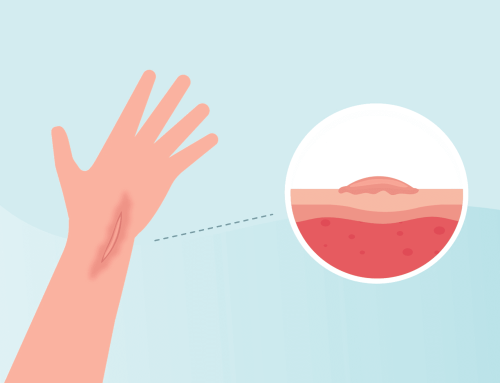
Scarring is a normal part of the healing process after any surgical procedure. However, not every scar heals in the same way. While many clinics explain that scars often fade into thin, pale lines over time, this is not guaranteed.
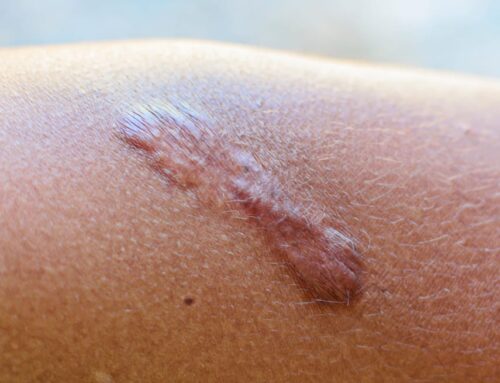
Some scars develop abnormally and become the following:
These symptoms do not always improve on their own. Early scar treatment is important to support normal scar healing and reduce the risk of long-term symptoms.
Effective treatment for breast lift scars
The most effective scar treatment starts early. Once the wound has fully closed and stitches have been removed, silicone therapy is recommended as the first step in scar prevention and treatment. European scar management guidelines strongly recommend silicone therapy for reducing abnormal scar formation.
Silicone sheets create a protective semi-occlusive layer over the scar. This helps improve hydration of the scar tissue, which supports normal healing and reduces excessive scar growth. Proven silicone therapy helps to:
Scarban and BAPSCARCARE silicone sheets are clinically proven silicone therapies designed for both prevention and treatment of hypertrophic and keloid scars.
Although scars cannot be completely removed, early and consistent silicone therapy gives the best chance of achieving a flatter, smoother and less visible scar.


Hydration and scar recovery
Hydration also plays an important role in scar recovery. A disrupted skin barrier increases moisture loss, which can worsen redness, itching and abnormal scar formation. ALHYDRAN supports long-lasting hydration and helps restore the skin barrier after cosmetic procedures.
ALHYDRAN is widely used by specialists and burn centres worldwide for scar prevention and aftercare. Clinical studies show that proper hydration improves skin elasticity, reduces itching and supports healthier scar maturation.
Choosing the right silicone sheet for your breast lift scar
The type of silicone sheet you need depends on the incision used during your breast lift procedure. BAPSCARCARE offers pre-shaped silicone sheets designed specifically for surgical scars after cosmetic breast surgery.
The most common breast lift or mastopexy scar is the one explained in the image below; we also discuss the other scar types and their silicone sheet solutions.

Periareolar scar
For smaller breast lifts, the incision is often made only around the nipple area. This leaves a circular scar around the areola.
A pre-shaped silicone sheet designed for the nipple area offers targeted scar coverage and improved comfort during recovery.

Lollipop scar
A lollipop incision combines a circular incision around the nipple with a vertical incision down towards the breast fold. This technique allows for greater lifting and reshaping of the breast.
The resulting scar has a lollipop or keyhole shape. A pre-shaped silicone sheet specifically designed for this scar pattern helps ensure full coverage of the scar area.

Anchor scar
An anchor incision is used for more extensive breast lifts. In addition to the circular and vertical incisions, an incision is also made along the breast fold.
This creates an anchor-shaped scar. Larger pre-shaped silicone sheets are available to cover the full scar area effectively and comfortably.
Combining silicone therapy
Depending on the shape and extent of your scars, different silicone sheets can be combined to achieve complete scar coverage. Your plastic surgeon or scar specialist can advise which combination is most suitable for your recovery.
Silicone therapy can also be combined with hydrating scar care such as ALHYDRAN to further support scar healing and skin recovery.
For the best results, continue scar treatment consistently while the scar remains active, red, raised or symptomatic. Scar maturation can take 12 months or longer.